

 By
By In today’s competitive business landscape, lead generation strategies are the foundation of sustainable growth. Whether you’re a small business owner, B2B marketer, or a digital entrepreneur, generating high‑quality leads consistently is essential for revenue and scale. In this comprehensive guide, we’ll explore proven strategies, tools, and frameworks you can implement to attract, capture, and convert leads effectively.
What Is Lead Generation?
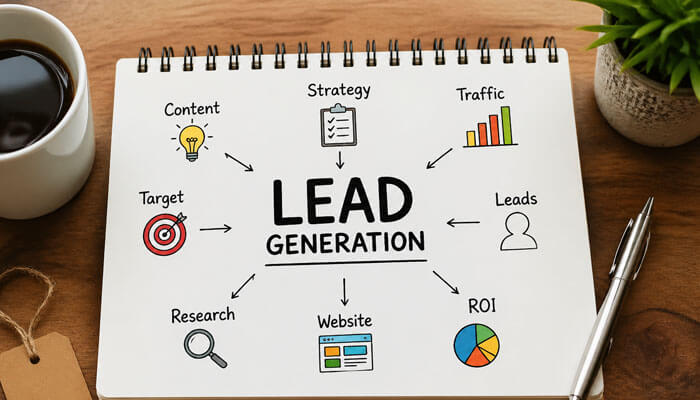
Lead generation refers to the process of attracting potential customers (leads) and capturing their interest in a product or service. The goal isn’t just to collect names and email addresses — it’s to build a pipeline of interested prospects that can turn into paying customers.
Leads can come from many channels — organic search, social media, email campaigns, ads, referrals, partnerships, and more. The key is to drive consistent traffic, engage meaningfully, and nurture prospects toward conversion.
Why Lead Generation Matters
Generating leads is vital because:
- It fuels revenue growth: More qualified leads generally lead to more sales opportunities.
- It expands your audience: Every lead is a person or business interested in your solution.
- It improves marketing ROI: Targeted lead generation means fewer wasted ad dollars and better conversion.
- It strengthens brand credibility: Useful content and valuable interactions build trust.
Understanding these fundamentals helps you choose the right strategy for your business model, whether B2B, B2C, SaaS, ecommerce, or local services.
Core Types of Lead Generation
There are two main categories:
1. Inbound Lead Generation
Inbound focuses on attracting customers by offering value — content, tools, insights, or solutions — and letting them come to you.
Examples include:
- Blog content and SEO
- Ebooks and guides
- Webinars and live events
- Podcasts and video content
Inbound attracts leads organically by solving problems and answering questions your audience already has.
2. Outbound Lead Generation
Outbound involves direct outreach to prospects, often initiated by your brand.
Examples include:
- Cold email outreach
- Cold calling
- Social selling (LinkedIn outreach)
- Paid ads targeting specific audiences
When done correctly, outbound accelerates lead acquisition — especially in B2B niches where purchase decisions involve multiple stakeholders.
Top Lead Generation Strategies That Work in 2026
1. SEO‑Driven Content Marketing
Organic search remains one of the most powerful sources of consistent leads. To use SEO effectively:
- Conduct keyword research (e.g., using tools like Ahrefs or SEMrush)
- Create in‑depth, long‑form content that answers search intent
- Optimize the on‑page SEO (titles, meta descriptions, structured headings)
- Build internal and external links to increase authority
Tip: Focus on topics your audience searches most — not just “high search volume” keywords.
2. Lead Magnets That Convert
A lead magnet is a free resource offered in exchange for contact information.
High‑converting lead magnets include:
- Checklists and templates
- Case studies
- Toolkits
- Swipe files
- Free trials
To maximize performance:
- Make the offer relevant to your core product
- Keep it actionable (easy to use and deliver fast results)
- Promote it across channels (site banners, welcome mats, social ads)
3. Email Marketing and Automated Funnels
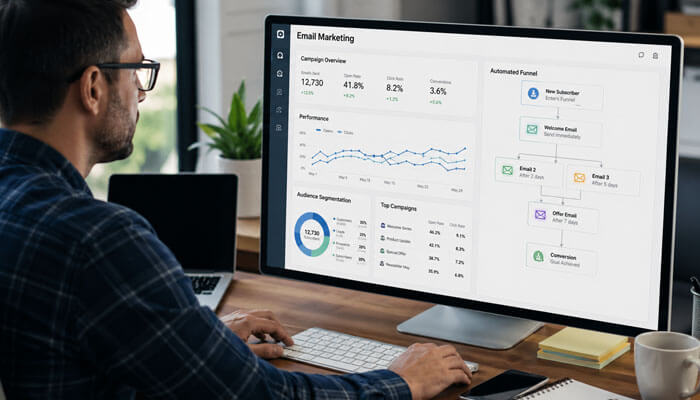
Email remains one of the highest ROI channels for nurturing leads.
Effective tactics include:
- Segmented email lists (by behavior or interest)
- Drip campaigns that educate before selling
- Personalized messaging based on actions
- Automated workflows to re‑engage dormant subscribers
A typical email sequence might:
- Welcome the subscriber
- Provide useful insights
- Share case studies or results
- Present your offer
4. Paid Advertising (Search & Social)
Paid channels accelerate lead generation when organic traffic is slow.
Effective platforms:
- Google Ads (search & display)
- Facebook & Instagram ads
- LinkedIn ads (especially for B2B)
- YouTube ads (video engagement)
To optimize paid performance:
- Use clear offer and call‑to‑action
- Target precise audience segments
- Track conversions and customer acquisition cost (CAC)
5. Webinars and Live Workshops
Webinars have high conversion potential because they combine education with relationship building.
Best practices:
- Choose timely topics relevant to your audience
- Promote via email and social media
- Collect attendee data with registration forms
- Follow up promptly with offers
6. Referral and Partnership Programs
Word‑of‑mouth and affiliate networks can be powerful.
Structured approaches:
- Customer referral programs with incentives
- Strategic partnerships with non‑competing brands
- Joint webinars or co‑branded offers
This amplifies reach without extra acquisition cost.
7. Social Selling and Community Engagement
Social platforms are more than ad channels — they’re communities.
For example:
- LinkedIn for B2B
- Instagram or TikTok for B2C
- Discord or groups for niche interests
Engage consistently, provide value first, and build authority before pitching.
Measuring Lead Generation Success
To optimize, you must measure outcomes.
Key metrics include:
| Metric | What It Tells You |
|---|---|
| Traffic | How many people visit your site |
| Conversion Rate | % of visitors becoming leads |
| Cost per Lead (CPL) | Cost efficiency of lead acquisition |
| Lead Quality | Likelihood of converting to sales |
| Email Engagement | Opens, clicks, conversions |
Use tools like:
- Google Analytics
- CRM systems (HubSpot, Salesforce)
- Email analytics
- Heatmaps (Hotjar, Crazy Egg)
Common Lead Generation Mistakes to Avoid
Here are pitfalls that reduce ROI:
- Targeting Broad Audiences: Leads must be relevant to your offer.
- Ignoring Mobile Optimization: Most traffic is mobile—optimize forms and content.
- Poor Follow‑Up: Slow or impersonal follow‑up kills conversions.
- Overemphasis on Quantity vs. Quality: Better leads convert higher.
- Not Testing Offers: A/B test pages, headlines, and CTAs for better performance.
Final Thoughts
Lead generation isn’t a one-time task—it’s an ongoing strategy that evolves with your audience and market. The most effective systems combine organic attraction, paid acceleration, and relationship‑based conversion. By implementing structured tactics, tracking measurements, and optimizing consistently, you’ll build a powerful lead pipeline — not just traffic.