

 By
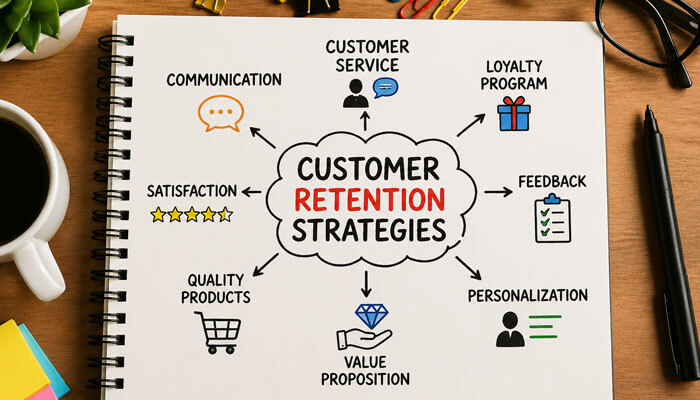
By Customer retention isn’t just about keeping customers — it’s about creating strong, lasting relationships that generate repeat business, foster brand loyalty, and turn customers into advocates. With the competitive nature of modern markets, businesses must focus on nurturing these relationships to ensure growth and profitability. Research indicates that retaining a customer can be five times cheaper than acquiring a new one, making retention a high‑impact strategy for companies aiming for long‑term success.
In this comprehensive guide, we’ll explore the importance of customer retention, why it’s critical for businesses, and detailed strategies to help you retain customers for life.
What Is Customer Retention and Why It’s Vital for Your Business?
Customer retention refers to a company’s ability to keep its customers over time, ensuring that they continue to make purchases and stay loyal to the brand. Retaining customers goes far beyond merely offering discounts; it involves providing value, personalized experiences, and building a sense of community around your brand.
Why Is Customer Retention So Important?
Customer retention is the secret to long‑term business profitability and sustainability. Here’s why businesses should prioritize retention:
- Cost Efficiency: Acquiring new customers is often far more expensive than retaining existing ones. On average, businesses spend five times more on acquisition than on retention. This makes retention strategies highly cost-effective, especially for small businesses.
- Increased Revenue: Loyal customers tend to spend more over time. According to studies, increasing customer retention by just 5% can result in a 25% to 95% increase in profits. This is because existing customers already trust your brand, making them more likely to make repeat purchases.
- Stronger Brand Loyalty: Customers who feel valued and are satisfied with a company’s product or service are more likely to become long-term, loyal clients. Loyal customers often act as brand advocates, recommending your business to others.
- Stable Cash Flow: Retained customers provide a stable revenue stream, allowing businesses to forecast earnings more accurately and plan for growth with more confidence.
In today’s market, where competition is fierce and customer expectations are higher than ever, the businesses that focus on retention are the ones that thrive.
Measuring Customer Retention: The Right Metrics Matter
Before diving into retention strategies, it’s important to measure the effectiveness of your efforts. Here are some of the key metrics that help businesses track and optimize customer retention:
1. Customer Churn Rate
Churn rate is the percentage of customers who stop doing business with your company within a specific time period. A high churn rate signals that there’s a problem with either your product, service, or customer experience. Keeping churn low is crucial for maintaining a healthy business.
To calculate churn rate:Churn Rate = Total Customers at the Beginning of the Period / Number of Customers Lost × 100
A lower churn rate means better retention.
2. Repeat Purchase Rate (RPR)
Repeat purchase rate measures how often your customers return to make additional purchases. A high RPR suggests that your products or services are satisfying customer needs, and they feel compelled to come back. Repeat Purchase Rate = Total Number of Customers / Number of Customers Who Made Repeat Purchases × 100
3. Customer Lifetime Value (CLV)
CLV is one of the most important metrics for retention because it calculates the total revenue a customer will generate over the course of their relationship with your business. By maximizing CLV, you can identify your most valuable customers and focus your efforts on retaining them. CLV=(Average Order Value)×(Purchase Frequency)×(Customer Lifespan)
4. Net Promoter Score (NPS)
NPS gauges customer loyalty and satisfaction by asking customers how likely they are to recommend your business to others. It’s a straightforward yet powerful metric to understand whether your customers are happy and if they see value in staying loyal to your brand.
Customer Retention Strategies: How to Keep Your Customers Coming Back
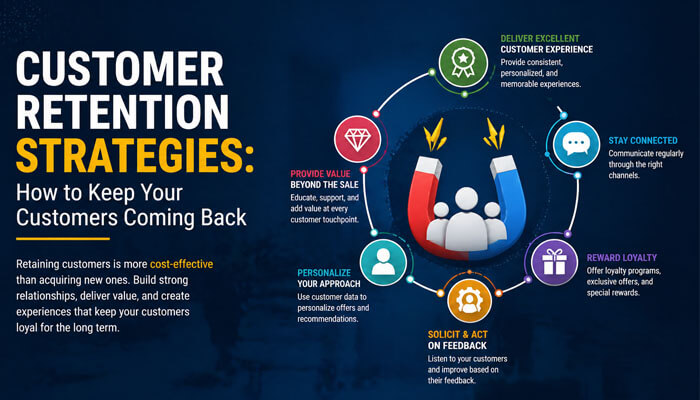
Now that we understand the importance of retention and how to measure it, let’s look at effective strategies for keeping your customers loyal and engaged with your brand.
1. Offer Exceptional Customer Service
The foundation of customer retention lies in providing excellent customer service. When customers know they can rely on your company for support, their trust and loyalty deepen. Outstanding customer service ensures that issues are resolved quickly, needs are met with care, and customers feel valued every time they interact with your brand.
- Timely Response: Customers expect fast responses. Whether it’s a query or a complaint, ensuring that customers don’t have to wait for long periods is crucial.
- Personalized Communication: Addressing customers by their names, remembering previous interactions, and offering tailored solutions can make a big difference in customer satisfaction.
2. Leverage Personalization to Build Stronger Connections
In the age of big data, personalization has become a game-changer. Tailoring experiences based on customer data can help businesses deliver relevant content, offers, and experiences that resonate with each customer’s preferences. Personalized experiences foster deeper emotional connections with your brand, increasing the likelihood of repeat business.
- Product Recommendations: Use purchase history and browsing behavior to suggest items that customers are likely to be interested in.
- Personalized Email Campaigns: Sending tailored offers or promotions to customers based on their past interactions can significantly increase engagement.
For example, Netflix uses personalized recommendations based on a user’s watching history, making customers feel like the service is designed just for them.
3. Reward Loyalty with Effective Programs
Loyalty programs are one of the best ways to retain customers. They incentivize repeat purchases by offering rewards for continued business. A well‑structured loyalty program not only retains customers but also increases the frequency of their purchases.
- Points-Based Programs: Customers earn points for each purchase, which they can redeem for discounts, free products, or exclusive services.
- Tiered Programs: Offering higher rewards as customers reach different spending thresholds encourages them to engage more frequently with your brand.
Sephora’s Beauty Insider Program is an excellent example of a successful loyalty program. It offers customers personalized rewards, exclusive offers, and free services, all of which contribute to strong retention rates.
4. Foster Proactive Communication
Communication shouldn’t be limited to resolving issues. Proactively reaching out to customers, offering helpful information, and updating them about new features or products can keep them engaged.
- Email Newsletters: Share useful content, updates, or promotions. Ensure these emails provide value to the recipient.
- Social Media Engagement: Respond to customer queries, share user-generated content, and build a sense of community on platforms like Instagram, Facebook, and Twitter.
For instance, Zappos excels in customer service by reaching out to customers not just when issues arise but also for general follow-up, ensuring a lasting positive impression.
5. Gather and Act on Customer Feedback
Customer feedback is a goldmine for improving retention. By collecting insights through surveys, product reviews, or customer interviews, you can pinpoint areas that need improvement and act on them. This proactive approach shows customers that you’re invested in enhancing their experience.
6. Create Value Beyond Products and Services
To ensure that customers don’t just make one purchase and leave, it’s crucial to provide value beyond the product. Offering educational resources, exclusive access to events, or special content creates a deeper connection with customers and gives them reasons to keep returning.
- Educational Content: Create blogs, tutorials, or webinars that provide value beyond your products, helping customers use your offerings more effectively.
- Exclusive Events: Host VIP events or provide access to behind-the-scenes experiences that make customers feel special.
For instance, Apple has built a strong ecosystem by offering educational resources, apps, and a seamless experience across all their products, keeping customers invested in their brand.
Avoid Common Retention Mistakes
While executing retention strategies, businesses must avoid certain pitfalls that can undermine their efforts:
- Neglecting Customer Feedback: Ignoring customer complaints or not acting on feedback can lead to frustration and churn.
- Being Overly Sales‑Focused: Continuously pushing products without adding value can alienate customers.
- Inconsistent Customer Experience: Offering inconsistent service or quality can erode trust and loyalty over time.
Conclusion:
Customer retention is not just a one-time effort; it’s a long-term strategy that requires consistent effort, improvement, and attention to customer needs. By offering exceptional service, personalizing experiences, rewarding loyalty, communicating proactively, acting on feedback, and providing value beyond the transaction, businesses can create lasting relationships with their customers.
In today’s competitive landscape, businesses that focus on retention will find themselves more resilient to market changes, more profitable, and better equipped to foster long-term growth. Ultimately, when customers feel valued, they’ll keep coming back for more.