

 By
By Introduction
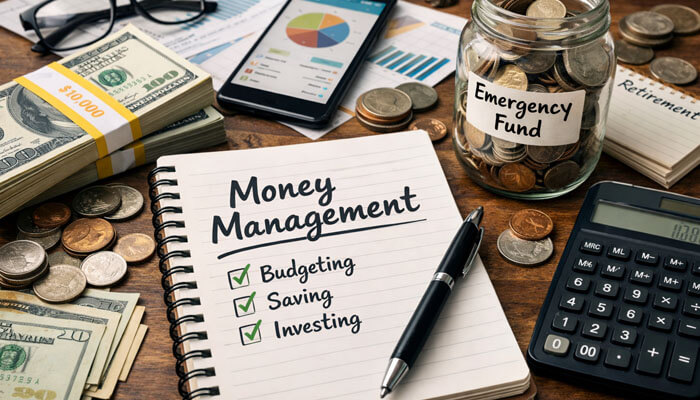
Money management is the process of planning, organizing, budgeting, and controlling your income and expenses to achieve financial stability and long-term goals. In simple terms, it means making sure your money is used wisely instead of being wasted. Strong money management is not only about saving—it also includes budgeting, debt control, smart spending habits, saving for emergencies, and investing for the future. According to financial experts, a structured financial plan helps individuals reduce stress, avoid debt traps, and build long-term wealth.
In today’s fast-changing economy, understanding money management has become essential for everyone, regardless of income level.
What is Money Management?
Money management refers to how you handle your personal finances, including:
- Tracking income and expenses
- Creating and following a budget
- Managing debt responsibly
- Saving for short-term and long-term goals
- Investing for financial growth
At its core, money management is about ensuring that your spending never exceeds your income while still allowing room for savings and future planning.
Why Money Management is Important
Effective money management plays a critical role in financial well-being. Without it, individuals often face issues like debt accumulation, missed payments, and financial stress.
Key benefits include:
- Better control over daily spending
- Reduced financial stress
- Strong emergency preparedness
- Improved credit score and borrowing ability
- Long-term wealth building
Good financial habits also help individuals handle unexpected situations like job loss or medical emergencies without severe financial damage.
Core Principles of Money Management
1. Budgeting Your Income
Budgeting is the foundation of money management. It ensures every dollar has a purpose.
A commonly used method is the 50/30/20 rule:
- 50% for needs (rent, food, utilities)
- 30% for wants (entertainment, shopping)
- 20% for savings and debt repayment
A proper budget helps prevent overspending and creates financial discipline.
2. Tracking Expenses
Tracking where your money goes is essential. Many people underestimate their daily spending, which leads to financial imbalance.
You can track expenses using:
- Mobile apps
- Spreadsheets
- Manual expense journals
Once tracked, you can identify unnecessary spending and optimize your budget.
3. Building an Emergency Fund
An emergency fund is money set aside for unexpected expenses such as medical bills, car repairs, or job loss.
Financial experts recommend saving at least 3–6 months of living expenses for emergencies. This ensures financial stability during crises.
4. Managing Debt Wisely
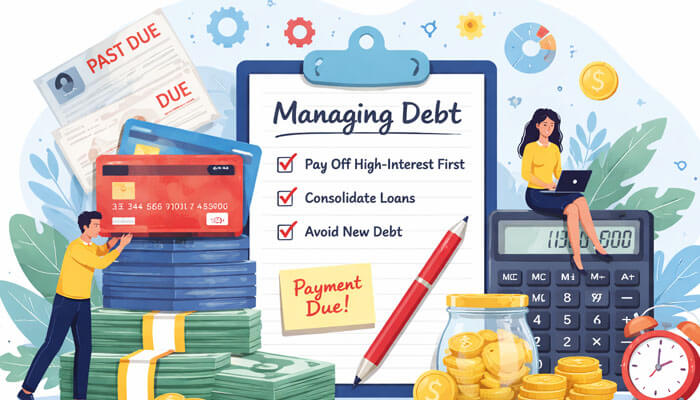
Debt is not always bad, but unmanaged debt can become a financial burden.
Smart debt management includes:
- Paying high-interest debt first
- Making timely payments
- Avoiding unnecessary borrowing
- Consolidating loans if needed
Reducing debt improves financial freedom and credit health.
5. Saving and Investing
Saving builds security, while investing builds wealth.
Smart practices include:
- Saving regularly in a dedicated account
- Investing in long-term assets like mutual funds, stocks, or retirement plans
- Starting early to benefit from compound growth
Even small investments over time can grow significantly.
6. Financial Discipline and Consistency
Money management is not a one-time task—it requires consistency.
Successful financial habits include:
- Regularly reviewing your budget
- Avoiding impulse purchases
- Adjusting financial plans as income changes
- Staying committed to long-term goals
Common Money Management Mistakes
Many people struggle with finances due to avoidable mistakes such as:
- Spending more than they earn
- Not tracking expenses
- Ignoring savings
- Relying heavily on credit cards
- Lack of emergency planning
Avoiding these mistakes can significantly improve financial health.
Tips to Improve Money Management Skills
- Start with a simple monthly budget
- Automate savings every month
- Use financial apps for tracking
- Set clear financial goals (short and long-term)
- Educate yourself about personal finance regularly
- Review financial progress every month
Conclusion
Money management is a lifelong skill that directly impacts financial stability, lifestyle quality, and future security. By learning how to budget, track expenses, manage debt, and save consistently, anyone can take control of their financial future.
The key is not how much you earn, but how effectively you manage what you have. With discipline and planning, financial independence becomes achievable for everyone.