

 By
By In legal, financial, and contractual environments, certain terms carry significant weight because they affect obligations, liabilities, and future actions. One such term is the Statement of No Loss—a deceptively simple phrase that holds powerful implications. This article will explain what a Statement of No Loss is, when it is used, why it matters, and how it protects stakeholders. By the end, you’ll have a deep, practical understanding of this important concept.
What Is a Statement of No Loss?
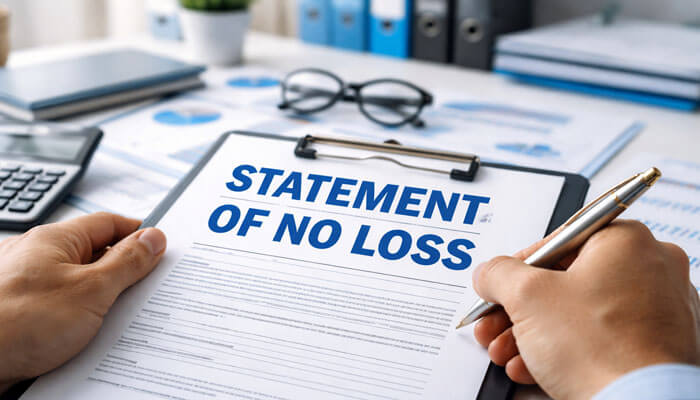
A Statement of No Loss is a formal declaration affirming that a party has not sustained any loss, damage, or liability during a defined period or under a specific circumstance. Essentially, the person or organization making the statement affirms that no financial loss, operational harm, or negative impact has occurred.
This statement is typically made in written form and may be used in various professional contexts, including:
- Legal proceedings
- Business transactions
- Contractual obligations
- Insurance claims
- Financial audits and certifications
The main purpose is transparency: it informs another party that no loss has transpired which might otherwise affect rights, entitlements, or decisions.
Common Contexts Where Statements of No Loss Are Used
1. Legal and Judicial Proceedings
In many cases, particularly civil lawsuits, one party may need to declare that they have not suffered any loss as claimed by the other party. For example:
- A defendant states that the plaintiff has not suffered any monetary loss from an alleged breach.
- A witness affirms that they did not experience any loss related to an incident.
This can influence the court’s determination of compensation, liability, and responsibility.
2. Business and Commercial Contracts
Contracts often require parties to provide assurances about past actions or outcomes. A Statement of No Loss may be required:
- When a business sells assets and certifies that there were no unreported financial losses.
- In merger and acquisition deals to ensure transparency about financial performance.
- In vendor contracts to confirm that a contractor’s work has not caused harm or loss.
This helps protect purchasing parties from inheriting hidden liabilities.
3. Insurance and Claims
Insurance companies frequently request a Statement of No Loss as part of a risk evaluation or before issuing coverage. It serves two purposes:
- To confirm the applicant has a clean history with no prior claims.
- To assess premium pricing and risk exposure.
A false or misleading Statement of No Loss could lead to denial of coverage or policy cancellation.
4. Financial Reporting and Audits

Businesses often attach a Statement of No Loss to financial reports or audits to affirm accuracy. This builds trust with:
- Investors
- Creditors
- Regulatory authorities
It provides assurance that reported figures are complete and free of undisclosed losses.
Why a Statement of No Loss Matters
Now that we understand what it is and where it’s used, let’s explore why it’s important.
1. Maintains Transparency and Trust
When parties sign a Statement of No Loss, they are declaring, under oath or contractual obligation, that they have shared complete information. This builds trust and reduces the risk of hidden surprises later in legal, business, or financial processes.
2. Protects Against Legal and Financial Liability
Incorrect or false statements can lead to serious consequences including:
- Contract termination
- Damages or penalties
- Legal action for misrepresentation
A valid Statement of No Loss protects the receiving party by affirming there are no hidden losses or liabilities that could impact future obligations.
3. Helps in Risk Assessment and Decision Making
For insurers, investors, and regulators, understanding whether losses have occurred is critical for accurate risk evaluation. A Statement of No Loss provides assurance that risk assessments are based on reliable data.
4. Influences Pricing, Coverage, and Negotiations
In insurance and finance, a history of no losses can affect:
- Lower insurance premiums
- Better loan terms
- Stronger negotiating positions during deals
It provides measurable proof of past performance and risk history.
What Happens If a Loss Is Discovered Later?
Truthfulness in any Statement of No Loss is crucial. If a previously undisclosed loss is discovered later, the consequences might include:
Legal Consequences
The party that made a false statement may face:
- Claims for misrepresentation
- Contract disputes
- Potential penalties
Financial Repercussions
Discovering loss after a Statement of No Loss may affect:
- Insurance coverage validity
- Contract enforceability
- Financial reputation
Business Reputation Damage
A company found to have misrepresented its status may face:
- Loss of credibility
- Difficulties securing future contracts
- Regulatory investigations
How to Draft a Valid Statement of No Loss
When preparing a Statement of No Loss, ensure the following elements are included:
- Clear Title stating it is a Statement of No Loss
- Identification of Parties making and receiving the statement
- Defined Period for which the statement is applicable
- Detail of What Is Covered (e.g., financial loss, damage, liability)
- Affirmation Language confirming no loss occurred
- Signature and Date, often notarized if legal weight is required
Final Thoughts
The Statement of No Loss is more than a simple written declaration—it is a protective tool that ensures honesty, reduces risk, and supports informed decision‑making across legal, financial, and business environments. Whether you are entering into a contract, applying for insurance, or preparing a financial audit, understanding the implications of a Statement of No Loss is essential for sound risk management and legal compliance. By maintaining accuracy and transparency in such statements, individuals and organizations safeguard their interests and uphold trust in their professional relationships.