

 By
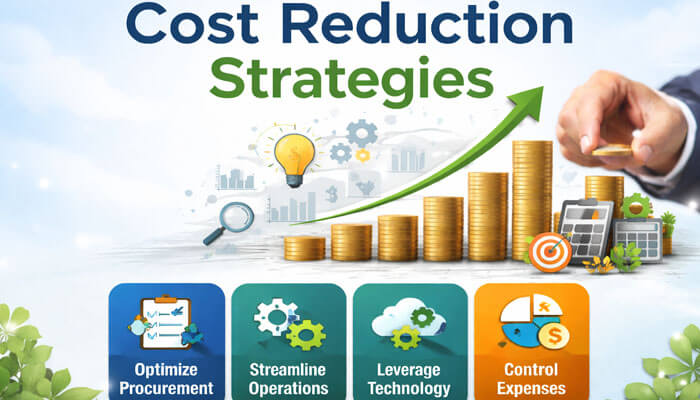
By Cost reduction is not about making arbitrary cuts or slashing budgets without purpose. It is a strategic approach that empowers organizations to operate more efficiently, stay competitive, and increase profitability—without compromising quality or long-term potential. A well-crafted cost reduction strategy focuses on identifying inefficiencies, optimizing resources, and building operational resilience for sustained success.
Unlocking Sustainable Savings: The Path to Long-Term Cost Reduction
Achieving sustainable savings requires a strategic approach that focuses on long-term efficiency rather than short-term cuts. By optimizing resources, eliminating inefficiencies, and leveraging technology, businesses can reduce operational costs without compromising quality. This method fosters continuous improvement and reinvestment, driving long-term growth and profitability.
1. What Does Cost Reduction Really Mean?
At its essence, cost reduction refers to the ongoing process of lowering operational expenses without sacrificing quality, customer experience, or operational efficiency. Unlike quick-fix austerity measures, which only offer temporary relief, a sustainable cost reduction strategy is built on continuous improvements and efficiency gains. It seeks to create long-term value by carefully analyzing costs and implementing strategic solutions.
2. Analyze and Understand Your Cost Structure
Before diving into cost reduction strategies, it’s crucial to gain a clear understanding of where and how your expenses occur:
- Classify Your Costs: Distinguish between fixed costs (e.g., rent, utilities), variable costs (e.g., materials, shipping), and discretionary spending (e.g., travel, subscriptions).
- Conduct a Cost Audit: Dive deep into historical financial data to pinpoint inefficiencies, bottlenecks, or areas where you are overspending.
- Benchmark Against Industry Standards: Compare your cost structure with industry peers to uncover potential areas where costs are higher than necessary.
3. Optimize Procurement and Supplier Relationships
Procurement is one of the largest areas where cost reduction opportunities can be found. Consider these approaches to maximize savings:
- Negotiate and Consolidate Contracts: Regularly reviewing and renegotiating contracts can help secure better pricing, favorable payment terms, or volume discounts.
- Eliminate Rogue Spending: Unauthorized or off-contract purchases can inflate costs. Centralizing procurement processes and enforcing guidelines can reduce this leakage.
- Embrace E-Procurement Solutions: Using digital platforms for procurement increases transparency, reduces errors, and helps uncover cost-saving opportunities across the supply chain.
4. Improve Workforce and Operational Efficiency
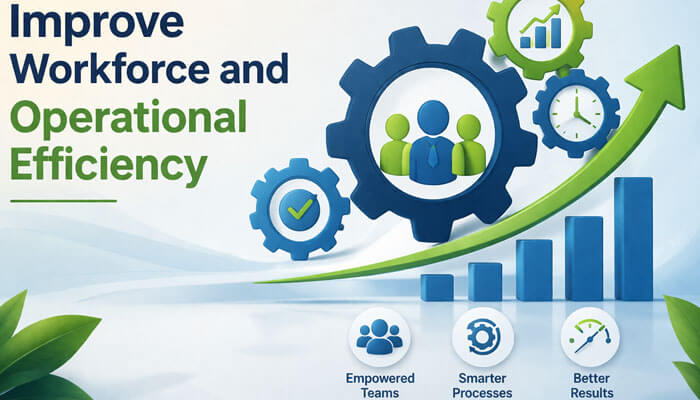
Employee-related expenses are typically one of the largest cost buckets for most organizations. To reduce these costs:
- Automate Routine Tasks: Implement automation for repetitive tasks like invoicing, payroll, or customer support to reduce labor costs and minimize human error.
- Leverage Remote and Hybrid Work: Shifting to remote or hybrid work models can cut down on office space, utilities, and related overhead expenses.
- Cross-Train Employees: Equipping employees with multiple skills helps reduce reliance on external contractors and temp staff, improving efficiency and cutting costs.
- Engage Employees in Cost-Saving Initiatives: Empower your workforce to identify cost-saving opportunities. Rewarding cost-saving suggestions fosters a culture of continuous improvement.
5. Leverage Technology and Digital Transformation
Investing in the right technology can yield significant long-term savings:
- Cloud Migration: Transitioning to cloud infrastructure can replace costly on-premise hardware with scalable, pay-as-you-go models, drastically reducing capital expenses.
- Cost Management Software: Implement tools that track spending patterns, identify inefficiencies, and provide real-time budget management to help make better financial decisions.
6. Streamline Supply Chain and Inventory Management
Supply chain inefficiencies can have a substantial impact on overall costs. Here are strategies to manage this effectively:
- Just-in-Time Inventory: Reducing excess stock lowers storage and handling costs while maintaining product availability.
- Optimize Logistics: Streamlining transportation routes and selecting the most cost-efficient carriers can lead to major savings in distribution.
- Bulk Purchasing: While requiring upfront investment, buying in bulk often lowers per-unit costs and offers volume discounts.
7. Implement Strong Financial Controls
Effective financial governance ensures cost discipline and sustained savings:
- Activity-Based Budgeting (ABB): Allocate funds based on value-adding activities rather than previous spending levels, uncovering hidden inefficiencies.
- Zero-Based Budgeting (ZBB): Every department must justify its expenses from the ground up each period, ensuring that all spending aligns with business priorities.
- Flexible Payment Schedules: Negotiate terms or switch fixed costs to variable ones through outsourcing, improving cash flow and financial agility.
8. Continuously Monitor and Adapt Your Strategy
Cost reduction should not be a one-time exercise; it’s an ongoing process that must evolve with changing market conditions:
- Set Key Performance Indicators (KPIs): Measure the impact of your cost reduction efforts and make adjustments based on performance data.
- Schedule Regular Audits: Conduct periodic reviews of your cost reduction strategies to ensure they remain relevant and uncover new opportunities for savings.
Conclusion
A successful cost reduction strategy goes beyond cutting budgets. It involves thoughtful, continuous improvements that streamline operations, enhance profitability, and free up resources for future growth. By adopting a holistic approach—incorporating procurement optimization, workforce efficiency, technological advancements, and strong financial governance—organizations can create long-term value while maintaining competitive advantage. Careful execution ensures that cost savings contribute to the broader goals of the business, building resilience and sustaining growth for the future.