

 By
By Bootstrapping: The Lean Approach to Funding
When it comes to launching a startup, one of the most crucial decisions founders face is how to fund their business. Understanding your options for startup funding is not just about finding the money you need, but about ensuring the right financial strategy that aligns with your goals, vision, and growth potential.
In this comprehensive guide, we’ll explore the most common funding options available to entrepreneurs today, breaking down each choice with pros, cons, and key considerations for founders looking to take the next step in their journey.
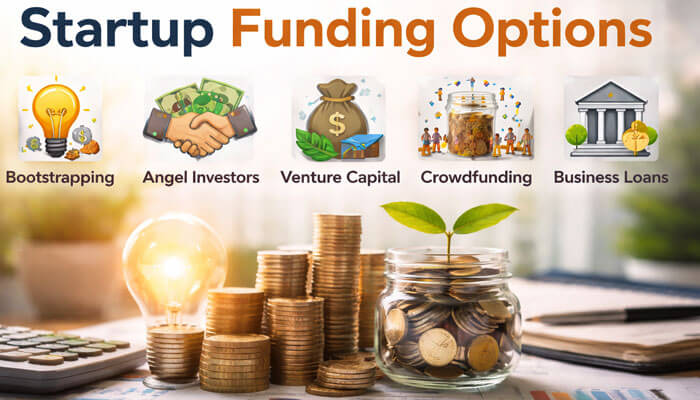
1. Bootstrapping: The Lean Approach to Funding
What Is Bootstrapping?
Bootstrapping refers to funding your startup entirely with personal savings, business revenue, or financial resources you already control. In other words, you are self-funding without external help.
Why Consider Bootstrapping?
Bootstrapping is one of the most common ways founders start their businesses. It offers full control over the company’s direction and allows you to grow the business at your own pace. Without investors to report to, you have the freedom to make decisions based purely on what you believe is best for the company.
Pros of Bootstrapping:
- Full Control: You retain 100% ownership of your company.
- No Pressure from Investors: You can grow the business at your pace without external pressure for rapid growth or high returns.
- Flexibility: You control every financial decision, from how to allocate funds to when to reinvest profits.
Cons of Bootstrapping:
- Limited Resources: You can only grow as fast as your available cash flow allows.
- Personal Financial Risk: Using personal savings or assets can put you in a vulnerable financial position if things don’t work out.
- Slow Growth: Without external funding, scaling a business can take longer, especially if the startup is capital-intensive.
Best For:
- Early-stage startups or those that are service-based.
- Founders who prefer control over their business.
- Entrepreneurs with a small budget and low overhead costs.
2. Angel Investors: Early Capital with Expertise
What Are Angel Investors?
Angel investors are typically high-net-worth individuals who provide capital to early-stage startups in exchange for equity or convertible debt. Unlike venture capitalists, angels tend to invest their own personal money and are often more flexible in their investment approach.
Why Consider Angel Investors?
Angel investors not only provide the much-needed funding but also offer valuable mentorship and access to a network of business connections. They often have experience in growing startups, which can be invaluable to a young company.
Pros of Angel Investors:
- Capital and Expertise: In addition to money, you get guidance and industry experience.
- Flexible Terms: Angel investors are often more willing to accept early-stage risks.
- Faster Access to Funding: Compared to venture capital, angels can move more quickly.
Cons of Angel Investors:
- Equity Dilution: You will give up a portion of your business in exchange for their investment.
- Control Issues: Investors may want to have a say in key business decisions, which can conflict with your vision.
- Not Always Reliable: Finding the right angel investor can be challenging, and you may not be able to secure funding from them consistently.
Best For:
- Early-stage startups with a clear product or business model.
- Founders who are willing to give up some equity for capital and expertise.
- Entrepreneurs in need of both funding and mentorship.
3. Venture Capital (VC): Scaling for Rapid Growth
What Is Venture Capital?
Venture capital (VC) involves funding provided by firms that invest in high-growth startups in exchange for equity, typically at a later stage than angel investors. VCs often look for startups with the potential for rapid growth and high returns.
Why Consider Venture Capital?
VC is best for businesses that are looking to scale quickly. VCs provide not only funding but also the resources to build teams, expand into new markets, and optimize products. In exchange, they expect significant returns on their investments.
Pros of Venture Capital:
- Large Investment Amounts: VCs typically offer large sums of money that can help scale your business rapidly.
- Strategic Support: VCs bring industry connections, strategic advice, and additional business resources.
- Market Expansion: With VC funding, you have the capital to push your product into broader markets and accelerate growth.
Cons of Venture Capital:
- Equity Dilution: You’ll give up a substantial portion of ownership in your company.
- Pressure for Growth: VCs typically expect high growth and a quick exit, which may not align with your long-term vision.
- Loss of Control: VCs often want a say in the direction of the business, and you may be required to give up some control over key decisions.
Best For:
- High-growth startups with the potential to scale quickly.
- Entrepreneurs who are comfortable with giving up equity for fast expansion.
- Businesses operating in sectors such as tech, biotech, and other industries with large markets.
4. Crowdfunding: Raising Small Amounts from Many Backers
What Is Crowdfunding?
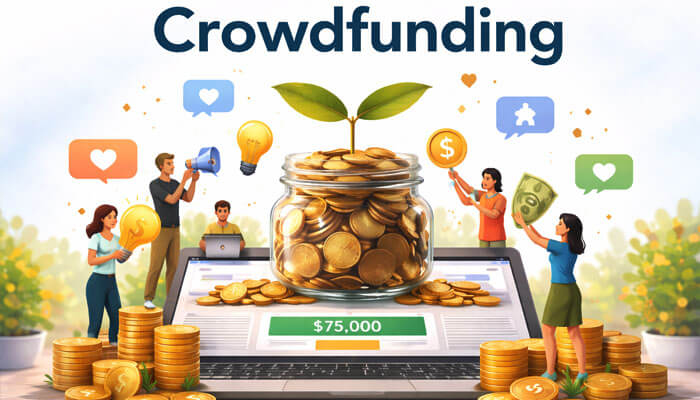
Crowdfunding allows you to raise small amounts of capital from a large number of people, typically through online platforms like Kickstarter, Indiegogo, or GoFundMe. Crowdfunding can be equity-based, rewards-based, or donation-based.
Why Consider Crowdfunding?
Crowdfunding not only helps you raise funds but also validates your product idea in the market. It’s a great way to gauge customer interest before fully launching a product.
Pros of Crowdfunding:
- No Equity Dilution (Rewards-based): You don’t have to give up any ownership, especially in reward-based crowdfunding.
- Market Validation: Crowdfunding serves as a litmus test for your idea’s market demand.
- Marketing Exposure: A successful campaign can generate buzz and attract additional investment opportunities.
Cons of Crowdfunding:
- Time-Consuming: Creating a successful campaign takes a lot of effort, from marketing to fulfilling backer rewards.
- Uncertain Outcome: There’s no guarantee that you will reach your funding goal.
- Pressure from Backers: If you don’t deliver on promises, it can damage your reputation and business.
Best For:
- Consumer-focused products or startups with tangible items to offer.
- Entrepreneurs seeking to validate their product idea or concept.
- Businesses with strong social media and marketing skills.
5. Grants and Competitions: Free Capital
What Are Grants and Competitions?
Grants are funds provided by government agencies, non-profits, and sometimes private entities that do not require repayment. Startup competitions also offer funding to winners, typically in the form of cash or other resources.
Why Consider Grants and Competitions?
Grants provide non-dilutive funding, meaning you don’t have to give away equity or repay the money. Competitions also give your startup publicity and recognition, which can be valuable for growth.
Pros of Grants and Competitions:
- Non-Dilutive Funding: No equity is given up, and you don’t have to repay the funds.
- No Interest: Unlike loans, grants don’t come with interest or repayment terms.
- Validation and Exposure: Winning a competition or receiving a grant can provide valuable exposure to investors and customers.
Cons of Grants and Competitions:
- Highly Competitive: Many grants and competitions are difficult to win.
- Time-Consuming: The application process can be lengthy and complex.
- Restricted Use: Some grants have very specific conditions on how the funds can be used.
Best For:
- Non-profits, social enterprises, and tech startups with innovative solutions.
- Startups focused on scientific or social impact fields.
6. Revenue-Based Financing: Flexibility in Repayment
What Is Revenue-Based Financing?
Revenue-based financing (RBF) allows you to raise capital by giving a percentage of your future revenues in exchange for upfront funds. The repayments are based on your revenue, so if your income fluctuates, your repayments will adjust accordingly.
Why Consider Revenue-Based Financing?
RBF is a good choice if you have predictable and consistent revenue but want to avoid giving up equity or taking on a traditional loan.
Pros of Revenue-Based Financing:
- Non-Dilutive: You retain full ownership of your company.
- Flexible Repayments: Payments vary depending on how much revenue you generate.
- No Equity Loss: You don’t have to give up control of your company.
Cons of Revenue-Based Financing:
- High Repayment Costs: RBF can be more expensive than traditional loans.
- Requires Strong Cash Flow: Your business needs to be generating consistent revenue to qualify.
Best For:
- Established startups with stable, recurring revenue.
- Entrepreneurs who want to grow without giving up equity.
Conclusion: Choosing the Right Startup Funding Option
Deciding which funding option is best for your startup requires a deep understanding of your business, goals, and growth stage. From bootstrapping for full control to venture capital for rapid scaling, each option has distinct advantages and challenges. As you plan your funding strategy, take time to weigh the pros and cons of each and consider a combination of these options.
By using the right funding path at the right time, you can increase your startup’s chances of success and align financial support with your vision for growth.
This article now offers thorough research and in-depth insights for founders seeking the best funding strategy, while also being optimized for SEO with a natural, human tone. Let me know if you’d like to focus on any specific points!